
Glazing technician applying sealant and installing a commercial storefront window frame on a Virginia commercial project
The Storefront Glazing Scope That Catches GCs Off Guard
Spring bid season in Virginia's commercial construction market activates the project pipeline that general contractors across the Shenandoah Valley and the broader Commonwealth pursue through the warmer months when exterior work, retail buildout, and the commercial renovation activity that property owners defer through the winter accelerate into the active bidding environment that March through June creates for GCs managing multiple simultaneous project pursuits. Storefront and entrance glazing scopes appear consistently across that bid pipeline, and they represent the project component that general contractors who have not specifically developed storefront glazing subcontractor relationships and the scope literacy that bidding those components accurately requires most consistently misprice, underscope, or leave inadequately specified in the bid documents that their proposals commit to.
The glazing scope problem in commercial bid documents is not unique to Virginia, but the Commonwealth's specific combination of building code requirements, the Shenandoah Valley's climate demands on exterior glazing systems, and the commercial construction market character that cities like Harrisonburg, Staunton, and Waynesboro create in the regional bid environment all shape the specific scope literacy that GCs bidding Virginia commercial projects need to develop before their storefront glazing subcontractor relationships and bid document reading habits create the pricing and scope gaps that change order exposure communicates after award.
LCC Enterprises works directly with general contractors across the Harrisonburg area and the broader Shenandoah Valley commercial market to provide the storefront and entrance glazing expertise that accurately scoped and competitively priced glazing subcontract relationships deliver within the GC's project execution. This guide addresses what GCs need to understand before they bid a storefront glazing scope in Virginia, both to protect their own bid accuracy and to understand what a capable glazing subcontractor brings to the project scope that the GC's proposal commits to delivering.
Understanding What a Storefront Glazing Scope Actually Includes
The storefront system is the aluminum-framed, field-assembled glazing system that commercial building entrances and storefronts use to create the glass-dominated facade that retail, office, and mixed-use commercial construction installs at the building's primary public-facing elevation. The storefront system is distinct from curtain wall, window wall, and residential window systems in the specific structural approach, anchoring method, and performance specifications that commercial storefront design creates as the baseline for the product category. GCs whose previous glazing experience involved primarily residential window replacement or light commercial projects may not have the storefront system literacy that distinguishes these categories in the bid scope reading, specification review, and subcontractor communication that accurate glazing pricing requires.
What the storefront scope typically includes in Virginia commercial projects extends beyond the aluminum frame and glass panels that the visible facade represents. The scope that glazing contractors price for a complete storefront installation includes the aluminum framing system fabricated to the project's dimensional requirements, the insulating glass units specified for the project's energy code compliance, the perimeter anchoring and sill conditions that the structural interface between the storefront system and the building structure requires, the sealant work at the perimeter joints that weather exclusion at the storefront-to-building interface demands, the entrance door systems and hardware that the storefront scope typically incorporates at the pedestrian entry locations, and the coordination interfaces with adjacent trades whose work conditions or depends on the glazing installation sequence.
What the storefront scope frequently excludes in subcontractor proposals that GCs need to confirm before committing their bid represents the specific scope gaps that change order exposure develops from when the GC's bid assumed inclusions that the glazing subcontractor's pricing specifically excluded. Structural blocking or backing at anchor locations that the storefront system requires may be a carpentry scope item rather than a glazing scope item. Firestopping at the sill condition in fire-rated construction may be a separate specialty trade scope. Interior trim and finish at the glazing perimeter may fall to the finish trade rather than the glazing contractor.
Virginia Building Code Considerations for Storefront Glazing
Virginia's energy code requirements for commercial glazing establish the thermal performance specifications that storefront systems on Virginia commercial projects must meet, and the Shenandoah Valley's climate zone designation specifically affects the U-factor and solar heat gain coefficient requirements that the glazing specification must satisfy for the project location's climate zone compliance. Harrisonburg's inland valley position and the climate zone that the Virginia Energy Code assigns to Rockingham County create the specific glazing performance requirements that differ from the coastal Virginia markets' climate zone requirements, and the glazing specification that satisfies energy code in Virginia Beach does not necessarily satisfy the requirements that the Shenandoah Valley's climate zone creates for the same building type in Harrisonburg.
Safety glazing requirements under Virginia's building code establish the specific locations within a storefront system where safety glazing is required regardless of the project's energy code glazing specification. The hazardous locations that the Virginia Uniform Statewide Building Code identifies for safety glazing requirements include the specific storefront panel positions, door lite configurations, and adjacent-to-door sidelite locations where human impact risk creates the safety glazing requirement that the glazing specification must address specifically.
Virginia's wind load requirements for storefront glazing establish the structural performance that the aluminum framing system and its anchoring must deliver for the project's geographic location and exposure category. The Shenandoah Valley's mountain corridor creates the wind exposure conditions that the structural engineer's wind load calculations establish for Harrisonburg area projects, and the storefront system's structural adequacy for those loads requires the engineering documentation that Virginia's commercial building permit process requires for the framing system and anchoring design.
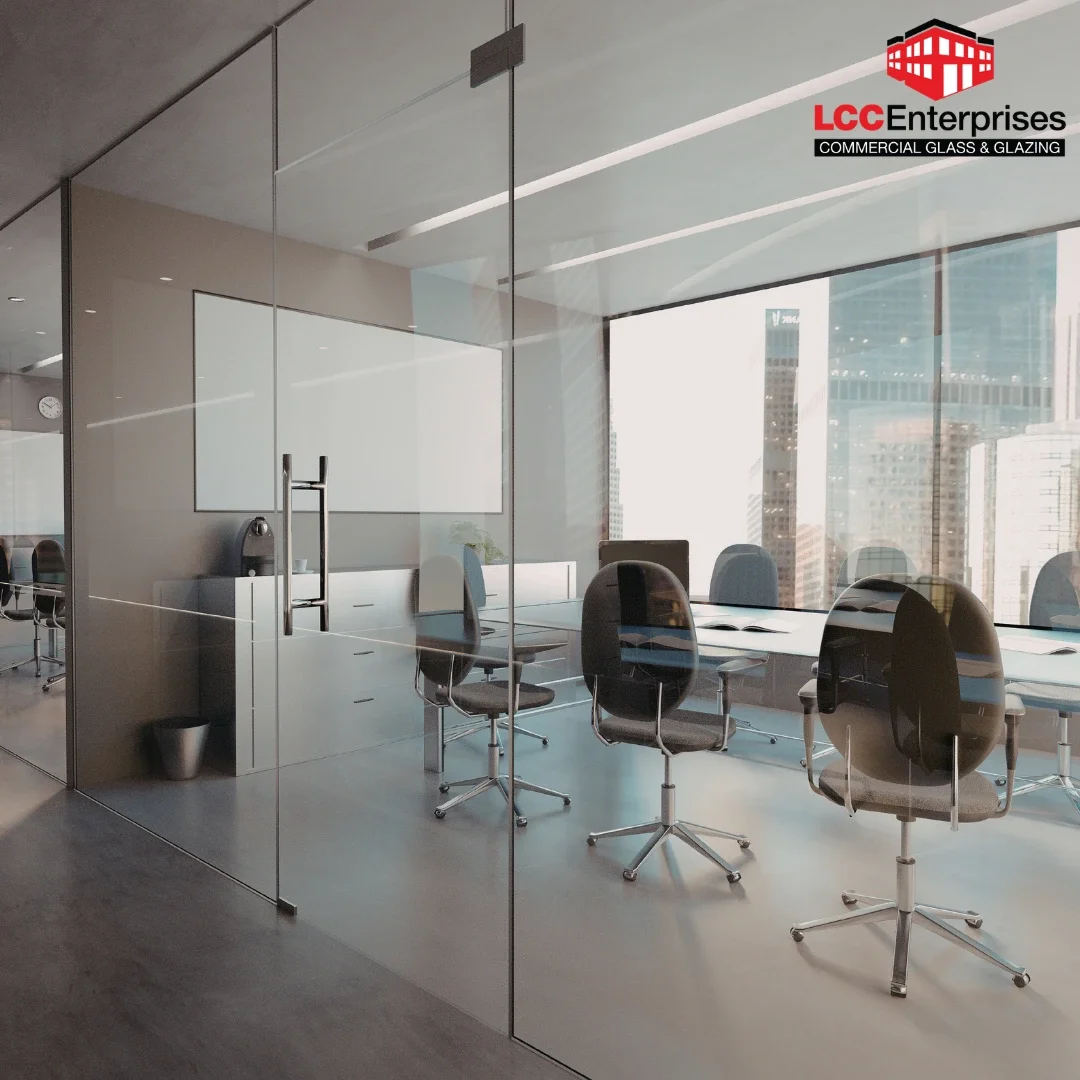
Floor-to-ceiling commercial glass office partition and storefront glazing system installed by LCC Enterprises in Virginia
Subcontractor Qualification: What GCs Should Evaluate Before Awarding Glazing Scope
The glazing subcontractor relationship that general contractors establish before bidding a Virginia commercial storefront scope determines the bid accuracy, schedule reliability, and change order exposure that the project's glazing component creates from proposal through closeout. A GC whose glazing subcontractor relationships include a capable, experienced storefront installer with Virginia commercial project history is bidding that scope with the pricing confidence and scope literacy that the relationship's project history provides. A GC whose glazing subcontractor is a residential window company attempting its first commercial storefront scope is bidding with the pricing uncertainty and scope gap risk that the subcontractor's inexperience in the commercial glazing category creates for every line item in the glazing proposal.
Commercial storefront experience verification for glazing subcontractor qualification in the Virginia market should specifically confirm the subcontractor's completed commercial storefront project history rather than the general glazing experience that residential and light commercial work represents. A glazing subcontractor with ten years of residential window replacement experience has not necessarily developed the aluminum framing assembly, structural anchoring, and commercial entrance door hardware expertise that storefront scope installation requires at the commercial building permit and inspection standard that Virginia's Uniform Statewide Building Code establishes for commercial projects.
Virginia contractor licensing for glazing subcontractors operating in the Commonwealth requires the Class A, B, or C contractor license that the Virginia Department of Professional and Occupational Regulation administers based on the project value thresholds that determine the applicable license class. GCs who include unlicensed or improperly licensed glazing subcontractors in their Virginia commercial project teams create the compliance exposure that building department subcontractor registration requirements and the GC's own licensing obligations create when the project's permit documentation identifies subcontractor license deficiencies.
Insurance and bonding confirmation for glazing subcontractors on Virginia commercial projects should specifically verify the commercial general liability limits, workers' compensation coverage, and the additional insured endorsement requirements that the GC's project contract and the owner's insurance specifications establish. Glazing subcontractors whose insurance certificates reflect residential contractor coverage limits may not satisfy the commercial project insurance requirements that the GC's prime contract establishes as flow-down obligations to the subcontractor tier.
Reading the Glazing Specification Before Bid
Division 08 specification sections in Virginia commercial project specifications contain the glazing requirements that the project's design team established for the storefront scope, and the GC who reads those sections before soliciting glazing subcontractor proposals understands the specification requirements that subcontractor pricing must address rather than discovering specification compliance gaps after award when value engineering pressure creates the cost reduction discussions that inadequate initial scope coverage motivates.
Specified system and approved equals language in Virginia commercial glazing specifications establishes whether the project's design team has specified a particular manufacturer's storefront system or has established performance specifications that approved equal products satisfy. The approved equals process in Virginia commercial construction requires the submittal and approval procedure that the project specifications establish, and the glazing subcontractor whose bid is based on an approved equal product rather than the specified system is pricing a substitution whose approval is not guaranteed at the time of bid. GCs who accept glazing proposals based on unapproved equal products without confirming the approval process and timeline are accepting the schedule risk that substitution approval delays create if the design team's review process extends beyond the project's submittal schedule.
Hardware specification review for the entrance door components that the storefront scope typically incorporates requires the specific attention that commercial entrance hardware's complexity creates in the specification review that accurate storefront pricing requires. The door closer, lockset, push-pull hardware, threshold, and the access control interface that commercial entrance doors frequently incorporate are each specified in the hardware schedule that the project specifications include, and the glazing subcontractor whose proposal addresses the storefront framing and glass without confirming the hardware specification's scope assignment has left the hardware pricing gap that scope clarification before bid prevents and that change order negotiation after award resolves at less favorable pricing than bid-stage scope clarity delivers.

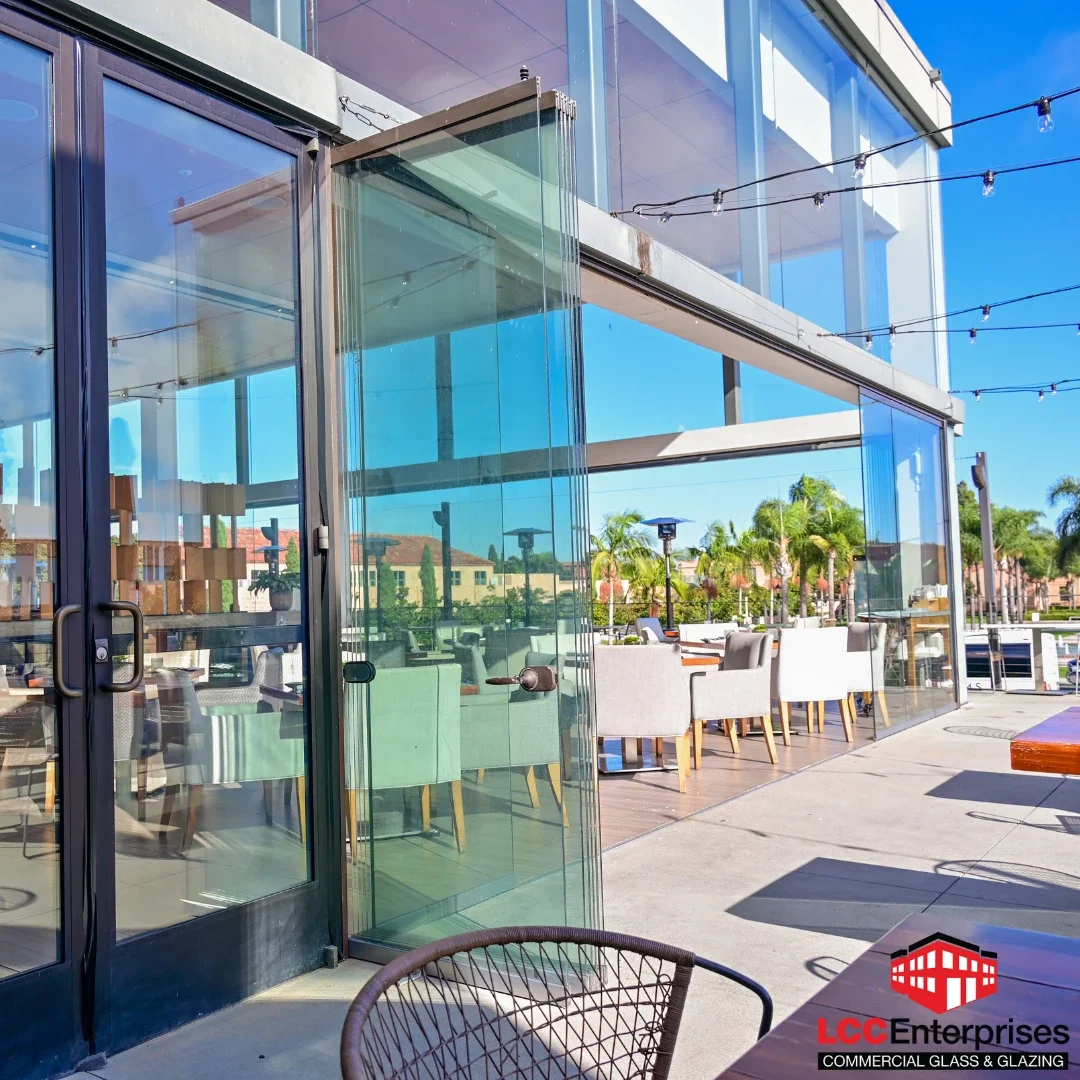
Commercial glazing technician inspecting glass panel inventory for a storefront project in the Harrisonburg, Virginia market
Schedule and Sequencing Considerations for Virginia Storefront Projects
Lead time for storefront system components in the Virginia commercial market reflects the fabrication timeline that aluminum storefront system manufacturers require from confirmed shop drawing approval through material delivery to the project site. Standard commercial storefront systems in the Virginia market carry four to eight week fabrication lead times from approved shop drawings, and the custom configurations that specific project dimensional requirements or design specifications create may extend those lead times beyond standard product availability. The GC whose project schedule does not incorporate the submittal, review, approval, and fabrication lead time that the glazing scope requires will discover the schedule compression that late glazing material delivery creates in the construction sequence that the glazing installation enables for adjacent trades.
The Shenandoah Valley's spring installation conditions create the specific glazing installation environment that Harrisonburg area commercial projects encounter through the active spring bid season. The sealant application that storefront perimeter weatherproofing requires has the temperature and humidity application conditions that the valley's spring weather pattern creates between the freeze events that the mountain-influenced climate can deliver through March and the organized frontal systems that April and May bring through the valley corridor. Storefront perimeter sealant applied during temperature conditions below the manufacturer's minimum application temperature or during the precipitation events that Virginia's spring frontal systems deliver creates the adhesion and cure conditions that sealant performance at rated weatherproofing function requires to avoid.
Trade sequencing at the glazing interface in Virginia commercial construction requires the GC's coordination attention at the specific project conditions where the storefront installation's sequence affects or is affected by adjacent trade work. The metal stud framing that creates the rough opening the storefront system fills must be completed, plumbed, and confirmed dimensionally accurate before glazing installation can begin. The exterior waterproofing or weather barrier that the building envelope assembly includes at the storefront perimeter may require sequencing with the glazing installation that the project's building envelope design establishes. And the interior finishes that meet the glazing system at the interior perimeter condition require the confirmed glazing installation completion that interior finish trade sequencing depends on.
Frequently Asked Questions
What is the most common storefront glazing scope gap in Virginia commercial bid documents? Perimeter sealant responsibility is the most consistently ambiguous scope boundary in Virginia commercial storefront bid documents. The sealant that weatherproofs the interface between the storefront system's aluminum frame and the adjacent building structure is variously assigned to the glazing subcontractor, the general contractor's own forces, or a sealant specialty subcontractor depending on the project specification's scope assignment language. GCs who do not confirm perimeter sealant scope assignment before finalizing their glazing subcontractor's proposal scope are accepting the exclusion gap that each party's assumption of the other's responsibility creates when the project's sealant work is not confirmed in either trade's pricing.
How does Virginia's climate zone assignment affect storefront glazing specifications for Harrisonburg projects? Harrisonburg's location in the Shenandoah Valley places Rockingham County in the climate zone that Virginia's energy code assigns to the inland valley region, creating the specific U-factor and solar heat gain coefficient requirements that the valley's genuine four-season climate establishes for commercial glazing performance. These requirements are more demanding than the coastal Virginia climate zone's glazing performance requirements because the Shenandoah Valley's heating season creates the thermal performance demand that the coastal markets' milder winters do not produce at the same level. GCs bidding Harrisonburg commercial projects who use glazing specifications developed for coastal Virginia projects without confirming climate zone compliance are accepting the energy code deficiency that the specification mismatch creates when the building department's plan review identifies the glazing performance gap.
What submittal documentation does Virginia's commercial building permit process require for storefront glazing? Virginia's commercial building permit process for projects including storefront glazing typically requires the shop drawings that document the specific framing system dimensions, anchoring details, and glazing configuration that the installation will implement, the product data that confirms the glazing system's compliance with the specified performance requirements including energy code thermal performance and structural load ratings, and the engineering documentation that the structural adequacy of the anchoring design requires when the project's structural engineer of record has established the wind load and seismic requirements that the storefront system must satisfy. LCC Enterprises manages the submittal documentation preparation and the building department coordination that Virginia's commercial permit process requires for storefront glazing scopes across the Harrisonburg area market.
How should a GC structure the glazing subcontract to manage scope gap risk on a Virginia commercial project? The glazing subcontract for a Virginia commercial storefront scope should specifically identify the system manufacturer and product line the subcontractor's pricing is based on, the approved equal substitution process and approval timeline that any alternative product requires, the perimeter sealant scope assignment that the subcontract confirms as included or excluded from the glazing subcontractor's scope, the hardware items that the subcontract includes from the project's hardware schedule, the submittal preparation and coordination responsibilities that the glazing subcontractor assumes for the Virginia permit process, and the lead time and delivery schedule commitments that the fabrication timeline creates for the project's glazing material availability. Each of these specific scope elements prevents the ambiguity that unspecified subcontract scope creates in the change order negotiations that gap discoveries motivate after project award.
What does LCC Enterprises bring to the GC relationship on Harrisonburg area commercial storefront projects? LCC Enterprises provides the Harrisonburg area commercial storefront expertise, Virginia building code compliance knowledge, and the Shenandoah Valley regional project experience that GC relationships in this market specifically benefit from when the glazing scope requires the submittal management, schedule reliability, and scope completeness that successful commercial storefront installation delivers within the GC's project execution. The transparent scope definition, competitive pricing based on confirmed project specifications, and the field execution quality that LCC Enterprises brings to storefront and entrance glazing scopes across the Harrisonburg commercial market provides the subcontractor relationship value that GC bid accuracy and project performance both depend on.
The Storefront Scope Bid Right From the Beginning
The general contractor who bids a Virginia commercial storefront glazing scope with the subcontractor relationship, specification literacy, and scope definition discipline that accurate storefront pricing requires is protecting their project margin, their schedule, and their owner relationship from the change order exposure and coordination failures that inadequately scoped glazing bids consistently produce from award through closeout. The spring bid season's competitive pressure to submit quickly should not compress the scope review and subcontractor communication that storefront glazing accuracy requires before the proposal commitment that winning that bid creates.
LCC Enterprises is the Harrisonburg storefront and entrance glazing partner that general contractors across the Shenandoah Valley rely on for the scope accuracy, Virginia code compliance, and field execution quality that commercial storefront projects demand.
Phone: 540-214-3773 Website:https://lccenterprises.co/
Serving general contractors throughout Harrisonburg and the Shenandoah Valley with dependable storefront and entrance glazing expertise.
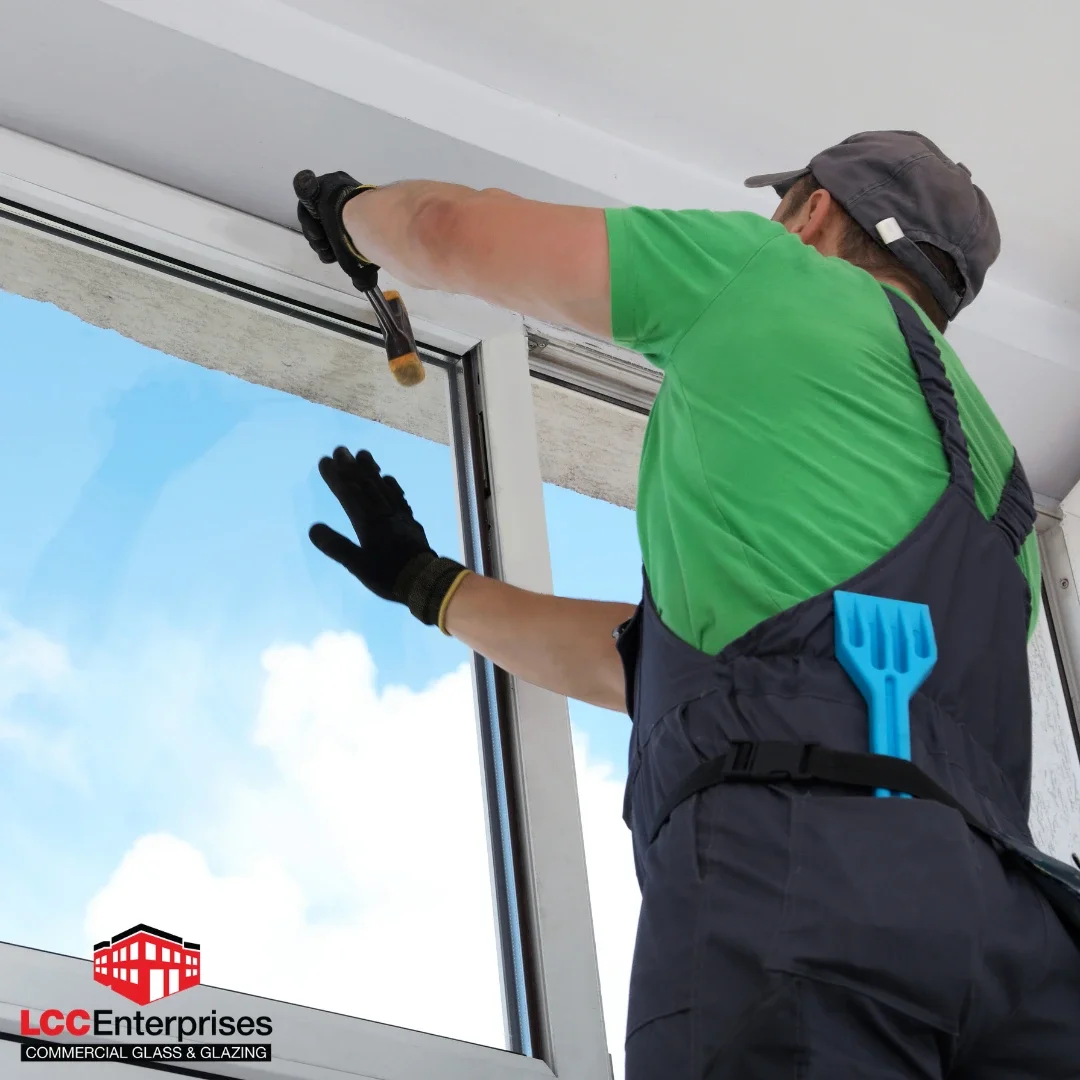
Glazing technician applying sealant and installing a commercial storefront window frame on a Virginia commercial projec
