
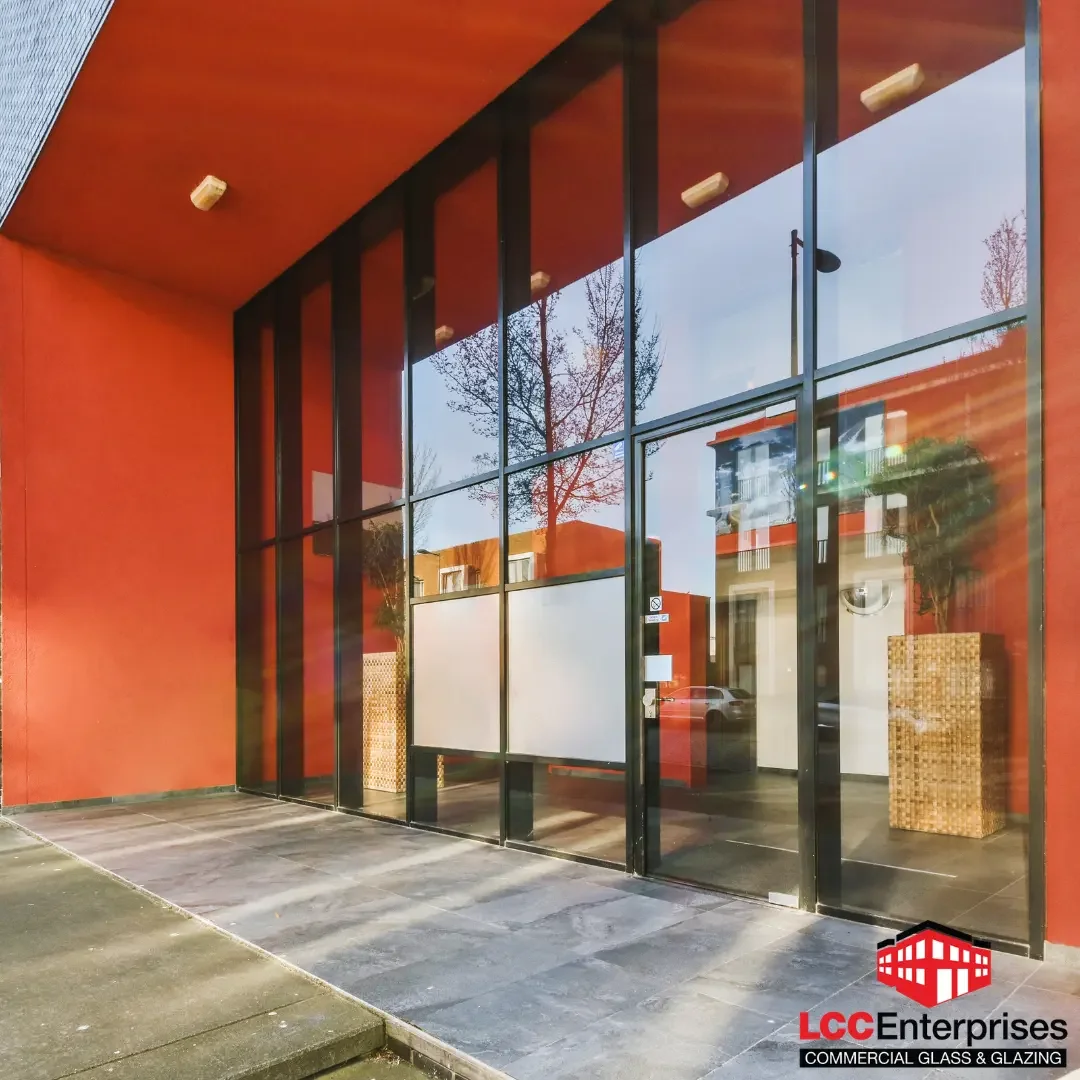
Completed commercial building entrance with floor-to-ceiling dark aluminum storefront framing and glass panels, representing installed system performance in the Shenandoah Valley
The Manufacturer Decision That Affects Everything Downstream
The storefront system manufacturer selection that architects, general contractors, and property managers make for commercial projects in Harrisonburg and across the Shenandoah Valley determines the product performance, the fabrication lead time, the local installer expertise, and the long-term service parts availability that the installed system delivers across its service life in the valley's genuine four-season climate. That decision is not simply a brand preference or a cost comparison exercise. It is a specification and procurement choice whose downstream consequences extend from the Virginia energy code compliance confirmation that the selected system's tested performance data must support through the building permit submission to the replacement hardware availability that a tenant's entrance door operational failure creates twenty years after installation when the property manager needs a closer arm or a threshold seal from a manufacturer whose regional product availability the original specification decision determined.
The three storefront system manufacturers that appear most consistently in Virginia commercial construction specifications and competitive glazing subcontractor proposals are Kawneer, YKK AP, and US Aluminum. Each brings the aluminum framing, the insulating glass compatibility, and the entrance door system integration that commercial storefront applications require. Each also brings the specific product characteristics, the performance certification profile, the fabricator network, and the regional market presence that distinguish them from one another in the ways that project-specific conditions, specification requirements, and the Shenandoah Valley commercial construction market's specific procurement environment make specifically consequential for the project whose storefront scope a glazing contractor is preparing to execute.
Understanding how those manufacturer differences translate into the project-specific selection criteria that Harrisonburg area commercial projects warrant, what the Virginia energy code's performance requirements establish as the thermal performance baseline that manufacturer product selection must satisfy for the Shenandoah Valley's climate zone, and how the regional glazing contractor's fabrication relationships and product expertise affect the manufacturer selection that ultimately serves the project best gives the GCs, project managers, architects, and property managers working in the Harrisonburg commercial market the specification literacy that informed storefront manufacturer decisions require.
Kawneer: The Specification Standard and Its Implications
Kawneer's position in the Virginia commercial storefront specification environment reflects the company's decades of market presence, the comprehensive product line that spans storefront, curtainwall, entrance, and window systems under a single manufacturer relationship, and the specification language that the architectural community has developed around Kawneer product series as the named system that sets the performance baseline that approved equal language then allows alternatives to meet. A Virginia commercial project specification that names Kawneer's 350 or 451T series storefront establishes the performance and dimensional framework that the approved equal evaluation process applies to competing manufacturers, and the glazing contractor whose fabrication relationships and product expertise include Kawneer has the named system option that no substitution approval process stands between the bid and the installation.
The 350 Series storefront represents Kawneer's standard commercial storefront system whose 3.5-inch face dimension and the thermally broken frame options that the product line includes create the entry-level commercial storefront specification that single-story retail, office entrance, and standard commercial facade applications commonly use across the Harrisonburg commercial market. The thermal performance that the 350 Series thermally broken configurations deliver satisfies the Shenandoah Valley's climate zone energy code requirements when the insulating glass unit specification that the project's energy compliance pathway establishes is incorporated into the system assembly.
The 451T Series represents Kawneer's mid-range storefront product whose 4.5-inch face dimension and the structural capacity that the larger framing profile provides creates the system specification that taller floor-to-floor heights, wider glass panel dimensions, and the higher wind load requirements that the Shenandoah Valley's valley corridor exposure conditions create for Harrisonburg commercial projects whose structural requirements exceed the standard 350 Series capacity. The 451T's broader product acceptance in the Virginia commercial market's mid-range and institutional project specifications reflects the system's structural performance range and the energy code compliance capabilities that its thermally broken frame configurations deliver for the climate zone requirements that the Shenandoah Valley's inland position creates.
Kawneer's regional fabricator network in Virginia creates the product availability, the shop drawing support, and the technical assistance that glazing contractors in the Harrisonburg market access when Kawneer product is specified or selected for regional commercial projects. The fabricator relationship that the regional glazing contractor maintains for Kawneer product determines the lead time reliability, the dimensional accuracy of fabricated components, and the technical support availability that the field installation team depends on when installation questions or field condition variations require the manufacturer's technical input during the construction phase.
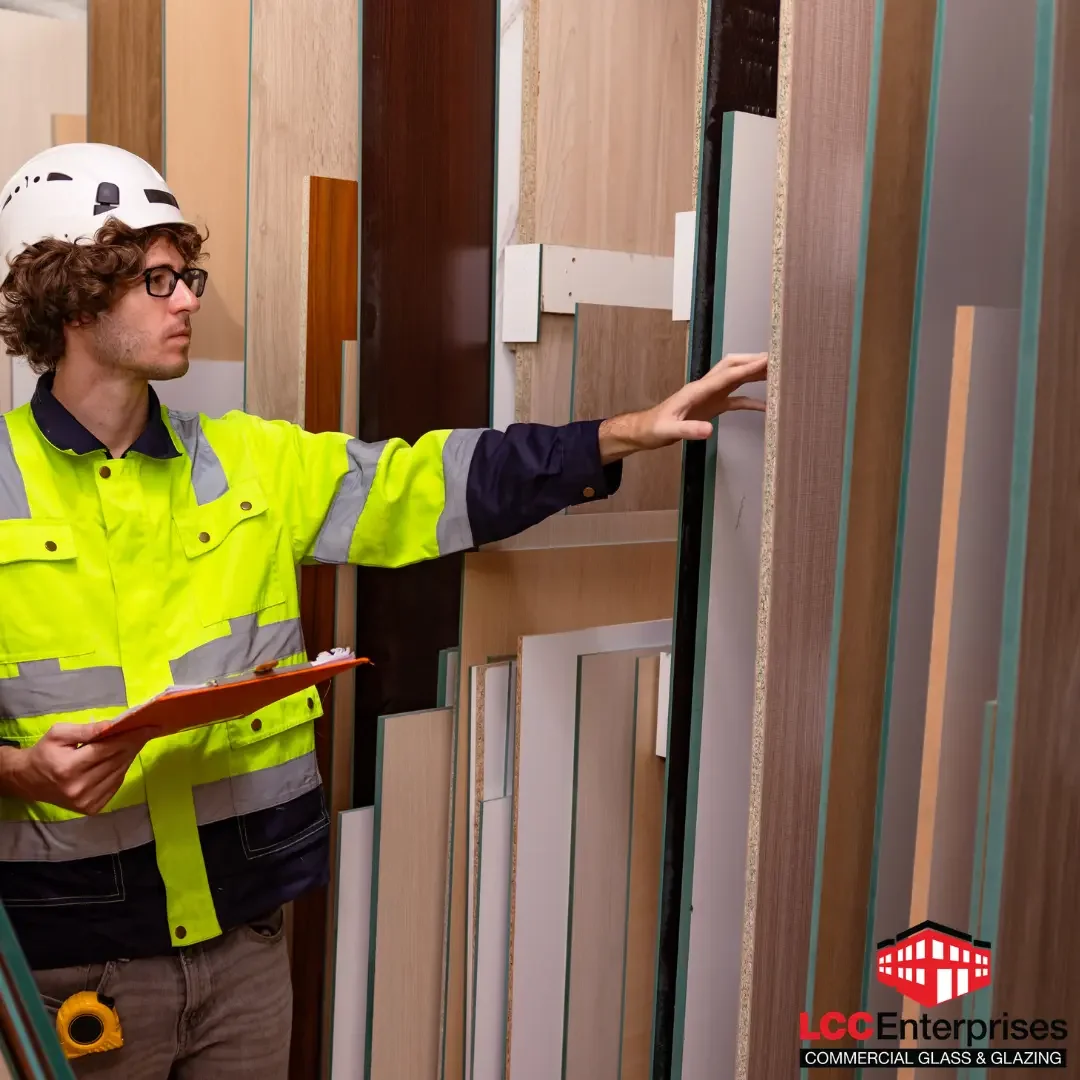
Contractor reviewing storefront manufacturer specifications and material options
YKK AP: Performance Credentials and Regional Market Presence
YKK AP's position in the Virginia commercial storefront market reflects the company's strong performance certification profile, the competitive pricing that the manufacturer's production efficiencies create relative to comparable performance specifications, and the growing regional fabricator network that YKK AP's market expansion into the Virginia commercial construction environment has been developing. The YKK AP 500 Series storefront and the AA3850 series products that appear in Virginia commercial specifications and competitive glazing proposals represent the manufacturer's primary commercial storefront offerings in the regional market.
The AA3850 Series provides the thermally broken storefront framing that Virginia's energy code requirements and the Shenandoah Valley's climate zone thermal performance demands create as the specification baseline for climate-compliant commercial storefront in the regional market. YKK AP's tested performance data for the AA3850 configurations supports the energy code compliance documentation that Virginia commercial building permit submissions require for the glazing assembly's thermal performance confirmation, and the AAMA certification that the product line carries provides the independent performance verification that specification compliance documentation specifically requires.
YKK AP's competitive pricing relative to comparable Kawneer and US Aluminum configurations creates the value proposition that competitive glazing proposals in the Harrisonburg commercial market reflect when the specification's approved equal language allows YKK AP product as the alternative to a named Kawneer or US Aluminum system. The pricing differential that YKK AP configurations deliver against comparable performance specifications can be meaningful in the competitive bid environment that Harrisonburg commercial projects create, but the property manager and the GC whose decision is informed by competitive bid pricing alone without the regional fabricator relationship quality and the long-term service parts availability evaluation that manufacturer selection warrants are making the selection on incomplete criteria.
US Aluminum: The Institutional and High-Performance Specification
US Aluminum's position in the Virginia commercial storefront market reflects the manufacturer's strength in the institutional, healthcare, and higher-education project segments whose specifications favor the product performance range and the system configurations that US Aluminum's product line provides for those specific application requirements. The Harrisonburg market's institutional character, anchored by James Madison University's campus construction activity, Sentara Rockingham Memorial Hospital's facility development, and the Shenandoah Valley's growing healthcare and education infrastructure, creates the specific project segment where US Aluminum specifications appear most consistently in the regional commercial construction environment.
The US Aluminum 4500 Series provides the storefront framing configuration that institutional project specifications favor for the structural performance, the thermal break options, and the finish durability that campus and healthcare facility applications create as the performance requirements that those project types establish as baseline specifications. The product's AAMA certification profile and the tested performance data that the 4500 Series carries supports the institutional project specification compliance documentation that Virginia building permit submissions require and that the design team's performance specification establishes as the product evaluation standard that the approved equal process applies to competing configurations.
US Aluminum's entrance door integration with the storefront system creates the coordinated manufacturer relationship that institutional projects whose entrance hardware specifications require the door system and the framing system to come from a single manufacturer source specifically benefit from. The coordination between the storefront framing, the entrance door frame, the threshold condition, and the hardware preparation that a single manufacturer's integrated product line provides reduces the interface coordination complexity that multi-manufacturer storefront and entrance door combinations create in the fabrication and field installation sequence.
The regional fabricator relationship for US Aluminum product in the Harrisonburg market warrants the same evaluation that Kawneer and YKK AP fabricator relationships require before manufacturer selection commits the project to the lead time, the shop drawing support, and the technical assistance that the selected manufacturer's regional fabricator network provides. A manufacturer whose product performance credentials satisfy the project specification but whose regional fabricator relationship creates the extended lead time or the shop drawing quality gap that the project's schedule and permit submission require to avoid is a manufacturer selection that the full evaluation criterion set would not have produced if regional fabricator availability had been incorporated alongside product performance in the selection process.
The Virginia Energy Code Selection Criterion
Climate zone compliance for storefront system selection in Harrisonburg commercial projects requires the specific U-factor and solar heat gain coefficient confirmation that the Shenandoah Valley's climate zone energy code requirements establish for the glazing assembly's thermal performance. Rockingham County's inland valley position creates the climate zone designation whose thermal performance requirements are more demanding than the coastal Virginia climate zones that the same manufacturers' products serve in Virginia Beach or Richmond projects, and the manufacturer's tested performance data for the specific system configuration and the insulating glass unit specification that the project's energy compliance pathway establishes must confirm climate zone compliance before the specification commitment that bid documents make is defensible at the Virginia building permit plan review.
All three manufacturers produce thermally broken storefront configurations whose tested performance data satisfies the Shenandoah Valley's climate zone energy code requirements when the appropriate frame configuration and the compliant insulating glass unit specification are combined in the glazing assembly that the energy compliance documentation confirms. The selection criterion that energy code compliance creates between manufacturers is therefore not which manufacturer can satisfy the requirement but which manufacturer's compliant configurations the project's specification, the regional fabricator's fabrication expertise, and the glazing contractor's installation experience specifically support for the project conditions the Harrisonburg application creates.
The energy compliance documentation that Virginia's commercial building permit process requires for the storefront system's thermal performance confirmation reflects the tested assembly data, the NFRC certification, and the climate zone compliance confirmation that the building department's plan review evaluates for permit issuance. LCC Enterprises manages the energy compliance documentation preparation for storefront scopes across the Harrisonburg commercial market, ensuring the manufacturer and configuration selection that the project's glazing scope commits to is supported by the performance data that the permit submission requires before fabrication commitments are made.
Selection Criteria Beyond Performance Specifications
Regional fabricator lead times for each manufacturer's product in the Harrisonburg commercial market create the project schedule implications that the GC's construction schedule and the PM's lease commencement commitments both depend on the glazing contractor's manufacturer selection to accurately reflect. A manufacturer whose regional fabricator network creates a twelve-week lead time from approved shop drawings to material delivery affects the project schedule differently than a manufacturer whose regional fabrication relationship delivers the same scope in six weeks, and the project whose schedule does not incorporate the accurate lead time that the selected manufacturer's regional fabricator creates will discover that gap as the schedule compression that late glazing material delivery produces in the exterior closure sequence.
Long-term service parts availability for the installed storefront system warrants the manufacturer selection consideration that the property manager's twenty-year facility management perspective creates as the ownership horizon that the installation decision serves. The entrance door closer, the lockset cylinder, the threshold seal, and the hardware trim that the building's operational maintenance requires across the system's service life should be available through the manufacturer's regional parts distribution at the time those maintenance needs arise rather than the discontinued product reality that some manufacturer selections eventually create for the facility manager whose replacement parts search discovers that the specified system's hardware components are no longer available through current distribution channels.
The glazing contractor's fabrication expertise with the selected manufacturer's product represents the practical installation quality criterion that manufacturer selection warrants beyond the product specification comparison. A glazing contractor whose fabrication shop and field installation team has executed multiple Harrisonburg commercial projects using a specific manufacturer's product has developed the dimensional accuracy, the thermal break assembly discipline, and the field installation technique that the manufacturer's system requires for the performance that the tested data documents to translate into the as-installed building envelope performance that the project owner and the property manager depend on across the system's service life.
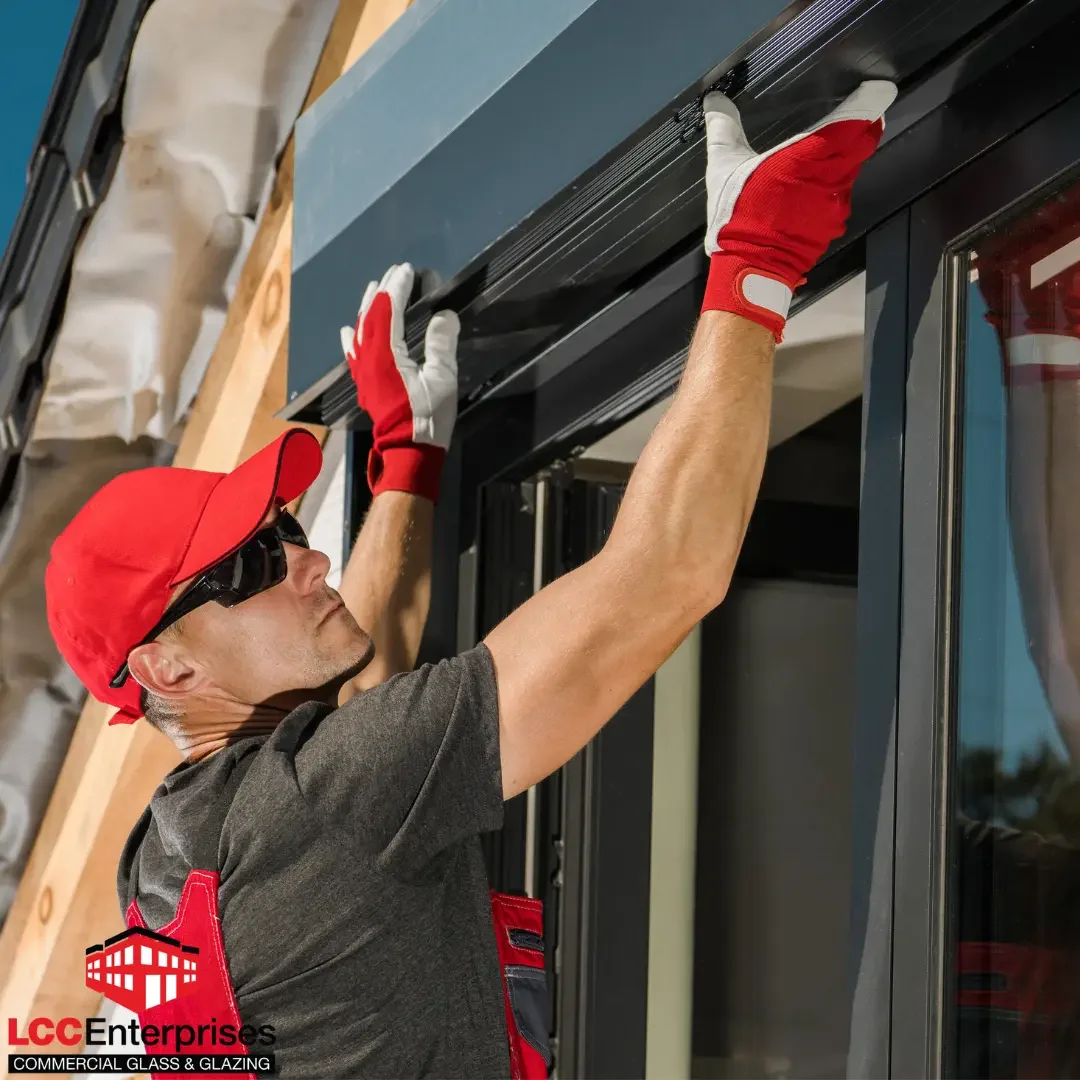
Glazier installing dark aluminum storefront framing system on a commercial building exterior, Harrisonburg VA
How LCC Enterprises Approaches Manufacturer Selection
Project-specific evaluation is the manufacturer selection approach that LCC Enterprises brings to storefront scope discussions with Harrisonburg area GCs, architects, and property managers rather than the single-manufacturer default that glazing contractors whose fabrication relationships limit their product options to a single system provider apply regardless of the project conditions that different manufacturer configurations serve differently. The evaluation that LCC Enterprises conducts for each project's storefront manufacturer selection accounts for the specification requirements the project documents establish, the Virginia energy code compliance confirmation that the Shenandoah Valley's climate zone creates as the thermal performance baseline, the regional fabricator lead time that the project schedule requires, and the long-term service parts availability that the ownership horizon the project's property management relationship creates warrants as a selection criterion alongside the performance and cost factors that competitive bid evaluation emphasizes.
Frequently Asked Questions
Is one storefront manufacturer consistently better than the others for Harrisonburg commercial projects? No single manufacturer is consistently superior across the full range of Harrisonburg commercial project conditions. Kawneer's specification dominance and regional familiarity make it the low-risk named system selection for projects whose specification timeline and approved equal process create friction with alternative manufacturer substitution. YKK AP's competitive pricing and strong performance certification profile make it a compelling approved equal candidate for budget-sensitive projects whose specifications allow alternative system consideration. US Aluminum's institutional product range makes it the appropriate primary consideration for JMU campus, healthcare, and institutional projects whose specifications favor that manufacturer's specific product characteristics. Project conditions determine the appropriate selection rather than manufacturer brand preference applied uniformly across different project types.
How do I confirm that a storefront system satisfies Virginia's energy code for a Harrisonburg project? The manufacturer's NFRC-certified performance data for the specific frame configuration and the insulating glass unit specification that the project's energy compliance pathway establishes must confirm that the U-factor and solar heat gain coefficient of the glazing assembly satisfy the maximum values that the Virginia Energy Code establishes for the climate zone governing the project location. Rockingham County's climate zone designation creates the specific performance requirements that LCC Enterprises confirms for each Harrisonburg project's storefront system selection before the bid commitment and the building permit submission both depend on that confirmation being accurate.
What lead times should Harrisonburg GCs plan for each manufacturer? Regional fabricator relationships and current production capacity affect lead times more than manufacturer identity for any specific project timing, and LCC Enterprises confirms current lead time expectations for each manufacturer at the project's bid stage rather than applying historical lead time assumptions that current production conditions may not reflect. The GC whose project schedule commits to a glazing material delivery assumption without the current fabricator lead time confirmation that the bid-stage manufacturer discussion provides is accepting the schedule risk that outdated lead time assumptions create when current conditions differ from the historical averages that schedule planning assumed.
Can LCC Enterprises work with any of these three manufacturers on a Harrisonburg project? LCC Enterprises maintains the fabricator relationships and the product expertise for Kawneer, YKK AP, and US Aluminum storefront systems that Harrisonburg commercial project conditions create as the manufacturer selection range that project-specific evaluation warrants. That multi-manufacturer capability provides the selection flexibility that serving the project's specific conditions requires rather than the single-manufacturer limitation that restricts the selection to whatever product the glazing contractor's exclusive fabricator relationship happens to produce regardless of whether that product best serves the project.
How does the storefront manufacturer selection affect the property manager's long-term maintenance relationship? The manufacturer selection that the original installation commits to determines the replacement parts availability, the service hardware compatibility, and the manufacturer's technical support that the property manager's facility maintenance relationship depends on across the system's service life. Property managers whose building portfolio includes commercial glazing systems from multiple manufacturers across multiple installation decades benefit from discussing the long-term service implications of new installation manufacturer selections with LCC Enterprises before the specification commitment that bid documents make establishes the manufacturer relationship that the property's glazing maintenance will depend on for the ownership horizon that the installation decision serves.
The Right Storefront System for the Right Harrisonburg Project
The Kawneer, YKK AP, and US Aluminum comparison that this guide has developed is not a ranking that produces a universal winner applicable to every Harrisonburg commercial project regardless of specification requirements, project schedule, budget conditions, and ownership horizon. It is the evaluation framework that project-specific manufacturer selection requires to produce the storefront system decision that the project's specific conditions warrant rather than the brand default that insufficient evaluation produces. LCC Enterprises brings the multi-manufacturer expertise, the Virginia energy code compliance knowledge, and the Shenandoah Valley regional market experience that Harrisonburg commercial projects deserve from the glazing contractor whose manufacturer selection guidance the project's specification and procurement decisions depend on.
Phone: 540-214-3773 Website:https://lccenterprises.co/
Serving general contractors, architects, and property managers throughout Harrisonburg and the Shenandoah Valley with dependable storefront and entrance glazing expertise.
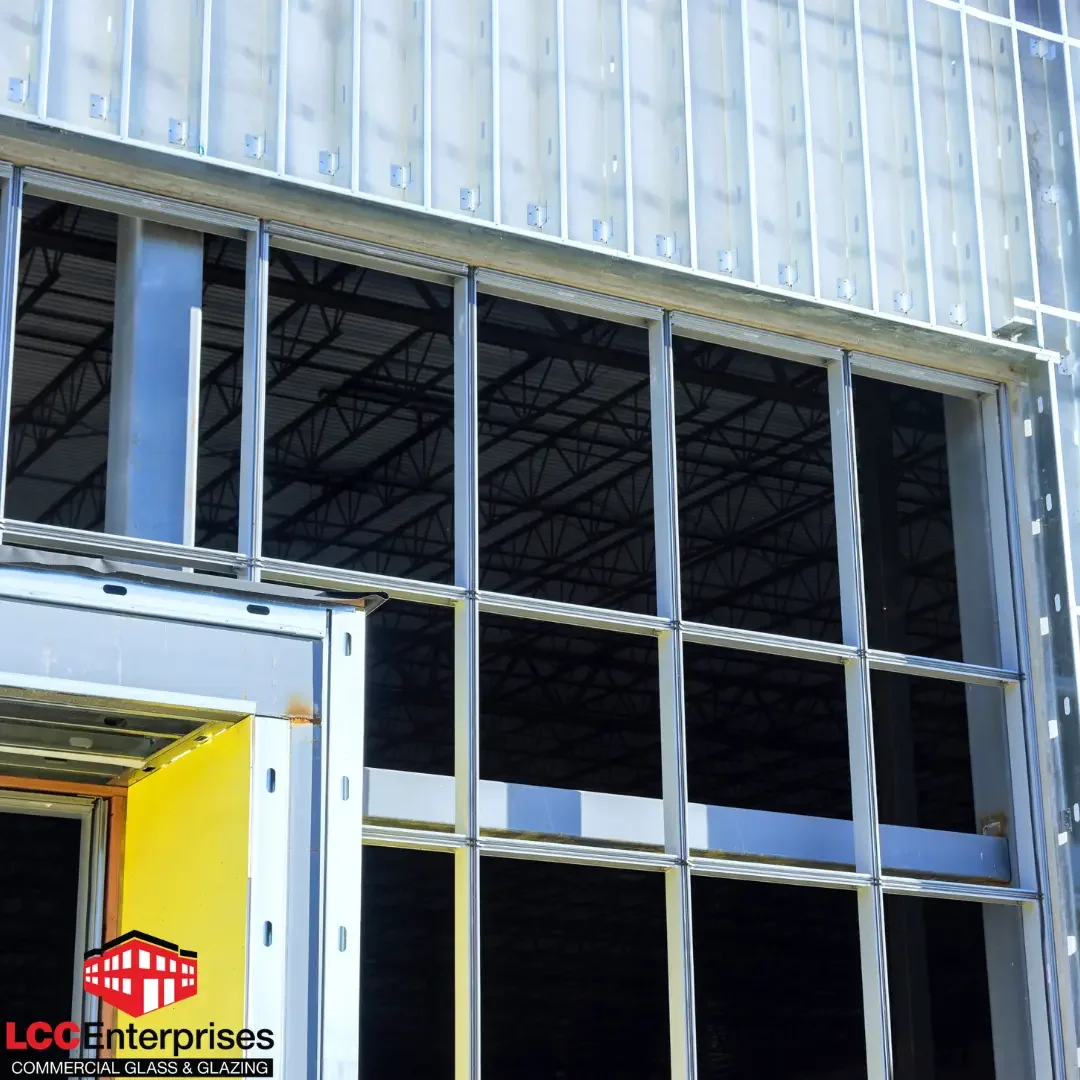
Commercial storefront aluminum framing system during construction, prior to glass installation, Harrisonburg VA
